
What’s Really Behind the Remote Work Dream?
Let’s be honest. Most of us don’t hate work—we hate the way we work. Commuting through traffic. Sitting in cubicles. Eating sad desk lunches while pretending to care about Monday meetings. Sound familiar?
Now imagine waking up in a sunny Airbnb in Lisbon. You pour a cup of strong coffee, sit on a small balcony, and log into your laptop. That’s your office. That’s your day.
Sounds dreamy, right?
But here’s the kicker: it’s not just a fantasy anymore. Millions of people—yes, actual, real people—are ditching traditional work setups and figuring out how to earn a living from anywhere. No permanent address. No ties. Just Wi-Fi and a laptop.
This article isn’t about romanticizing the lifestyle. It’s about understanding it—warts and all.
If you’ve ever wondered, “Can I actually live like that?”—you’re in the right place.
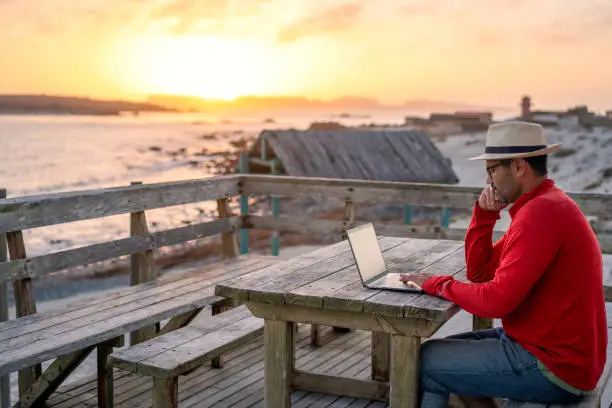
TL;DR: What Is a Working Nomad, Really?
Let’s cut to the chase. A Working Nomad (or digital nomad, if you prefer the buzzier term) is someone who works remotely and moves around instead of staying rooted in one spot.
Some bounce between countries every few months. Others pick a city, settle for a year, then head somewhere new. The freedom is what draws people in. The details are what keep most people out.
Here’s the short version:
- You earn money online.
- You’re not tied to a specific place.
- You live in different cities or countries (often where life is cheaper and warmer).
- You do it legally (hopefully), with the right visa or tourist status.
This lifestyle has exploded in recent years. According to a 2024 study, there are over 18 million digital nomads in the U.S. alone. That’s up from just over 7 million five years earlier.
So yeah—it’s not a fringe movement anymore.
Still with me? Cool. Let’s get into the actual meat of this thing.
Chapter 1: So… Who Are These People?
People tend to assume digital nomads are tech bros Working Nomad from Bali or trust-fund millennials in Tulum. And sure, those people exist. But they’re just a sliver of the community.
In reality, you’ll find all kinds:
- A 45-year-old HR consultant Working Nomad from Vietnam
- A graphic designer hopping between Airbnbs in Spain
- A couple running an Etsy store while slow-traveling across South America
What connects them isn’t age or job title—it’s mobility.
They’ve figured out how to keep the paycheck without staying put.
Some are remote employees. Others freelance. Many run small online businesses. But they all have the same superpower: they can earn from anywhere.
Not everyone’s living it up on the beach, by the way. That image is a bit tired. Most nomads are just trying to stay ahead of deadlines with half-decent Wi-Fi and a local SIM card that still works.
Chapter 2: Different Flavors of Nomadism
Think all nomads live out of backpacks? Think again.
There are levels to this lifestyle, and the label “nomad” covers a lot of ground.
Here’s a breakdown:
| Type | Vibe |
|---|---|
| Slowmads | Spend 3–6 months in each place. Less stress, more immersion. |
| Fast movers | New country every 4–8 weeks. More adrenaline, less routine. |
| Vanlifers | Live in a van or RV. Mostly in the U.S. or Europe. |
| Base & bounce | Keep a home base, but travel part-time. Like seasonal migration. |
| Frequent flyers | Corporate nomads. On the road but still tied to employer schedules. |
The truth? Most people settle into the slowmad category. Constant movement gets tiring, and it’s hard to focus on work when you’re switching time zones every weekend.
Plus, visa runs get old fast.
Chapter 3: Why People Make the Leap
Here’s a little secret: not everyone becomes a Working Nomad because they love travel. Many do it because they’re done with the status quo.
They’re tired of:
- Paying $2,400/month for a one-bedroom in L.A.
- Seeing their lives squeezed between commutes and KPIs
- Feeling like their job controls everything—from when they wake up to where they live
Nomadism isn’t always about running away. Sometimes it’s about taking back control.
Real reasons people go nomadic:
- They want more freedom, plain and simple.
- They’ve realized they can work from anywhere—so why not?
- They’re curious about other cultures, other languages.
- They want to spend less money and get more out of life.
And here’s the cool part: many nomads report being more productive on the road. Turns out, when you’re not stuck in office politics or endless meetings, you can actually get stuff done.
Chapter 4: What Kinds of Work Can You Do?
This is the million-dollar question (sometimes literally). And guess what? You don’t need to be a developer or an “influencer.”
Jobs that work well for nomads:
- Writing & Editing – content marketing, blogging, copywriting
- Design – UX/UI, branding, web design
- Marketing – email campaigns, SEO, social media strategy
- Coaching & Consulting – business, career, wellness
- Customer Support – live chat, helpdesk, tech support
- Teaching – online tutoring, language instruction
You’ll also find a ton of folks doing e-commerce (dropshipping, Etsy), affiliate marketing, or creating online courses.
| How They Earn | Examples |
|---|---|
| Freelance clients | Upwork, Fiverr, referrals |
| Remote employers | Tech companies, startups, media agencies |
| Product sales | Printables, courses, digital templates |
| Passive income | Blogs with ads, YouTube, affiliate links |
TL;DR: If you can do it on a laptop, you can probably do it anywhere.
Chapter 5: Okay, But Does It Actually Work?
It’s easy to get swept up in the aesthetics of it all—sunsets, scooters, shared workspaces with jungle views. But here’s what real nomads say after 6–12 months on the road:
- They feel more focused because they structure their days intentionally
- They’ve reduced living costs (sometimes dramatically)
- They spend more time outdoors, less time in traffic
- They meet people from around the world—and feel less stuck
- But yeah… they also miss stability sometimes
The secret? Treat it like real life, not a permanent vacation. The people who thrive long-term are the ones who keep structure, plan well, and know when to slow down.
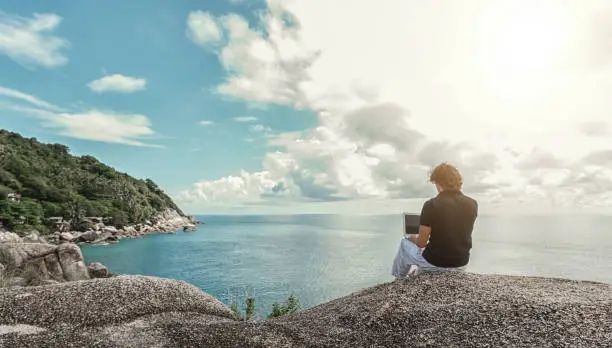
The Not-So-Glamorous Side of Being a Working Nomad
The Reality Behind the Photos
Let’s get one thing straight: this lifestyle isn’t perfect. If you’re picturing yourself lounging poolside in Thailand, sipping smoothies while closing deals on Zoom—you’re not wrong… but you’re not entirely right either.
What the Instagram reels won’t show you:
- The night your Wi-Fi cut out during a client call.
- That time you booked a “cozy Airbnb” and it turned out to be a moldy shoebox with no windows.
- Or when you realized your 30-day visa was up… yesterday.
This isn’t meant to scare you off. But it is meant to ground the fantasy a little.
Common Challenges (and How to Handle Them Like a Pro)
1. 🧍♂️ Loneliness & Isolation
You’d think traveling the world would make you feel more connected. Ironically, it can do the opposite. Without coworkers, friends nearby, or family dinners, you can feel like you’re drifting.
What helps:
- Coworking spaces: Great for structure and meeting other remote folks.
- Nomad Facebook groups, Telegram communities, or local events.
- Scheduling regular video calls with friends/family—seriously, put it in your calendar.
Pro tip: Stay in one place for a while. Real connections take time.
2. 🌐 Unstable Internet and Workspace Disasters
The lifeblood of any nomad is a strong Wi-Fi signal. And yet, you’ll find yourself whispering “please work” to your hotspot more often than you’d expect.
Common issues:
- Dodgy internet at Airbnbs
- No proper desk (hello, back pain!)
- Loud cafes with terrible acoustics for calls
What to do:
- Always ask for a speed test screenshot before booking accommodation.
- Travel with a portable laptop stand and wireless keyboard.
- Scout out coworking spaces ahead of time. Many offer day passes.
Backup plans = survival. Mobile data, tethering, and even offline work tools can save your butt.
3. 🧾 Visas, Taxes, and the Legal Maze
This is the stuff that’s boring but critical. Most countries don’t really have clear rules for digital nomads… yet.
You’ll be stuck in a gray area, somewhere between a tourist and a remote worker.
Real questions you’ll have to answer:
- Can I work here legally?
- Do I owe taxes to my home country? What about this one?
- What happens if I get sick or injured abroad?
Solutions (or at least a start):
- Look for digital nomad visas (Portugal, Georgia, Indonesia, etc.)
- Consider talking to a tax professional familiar with international clients.
- Get travel insurance that covers medical and remote work gear.
“I’ll figure it out later” is not a strategy. Do your homework, even if it’s tedious.
4. 💸 Money Stress & Inconsistent Income
Freelancing sounds liberating—until your biggest client ghosts you or you hit a dry month. Even remote employees can feel the squeeze if their paycheck doesn’t stretch in pricier countries.
Tips to stay afloat:
- Always have 3–6 months of savings before going full nomad.
- Use budgeting tools like You Need a Budget (YNAB) or Monarch.
- Consider low-cost destinations while you build steady income (e.g., Mexico, Vietnam, Bulgaria).
Being a digital nomad doesn’t mean you have to be broke or reckless. Treat it like running a small business—you’re the CEO of your life now.
How to Transition Into the Nomad Life (Without Burning Everything Down)
✈️ Don’t Quit Your Job Just Yet
Way too many people go all-in too fast. Don’t be that person. Instead, dip your toe into the lifestyle with short “workations.”
Try this approach:
- Take a 2–3 week remote trip (to a nearby country or city)
- Work your normal job hours
- Test how you manage: Wi-Fi, routines, focus, time zones
Ask yourself:
- Did you get stuff done?
- Did you enjoy your environment?
- Did you miss the office at all?
If that test run feels smooth, start planning a longer trip. If it was a mess, tweak your systems before going again.
🧠 Build Nomad-Friendly Routines
Without routines, you’ll feel like you’re living in a fog. The scenery changes, your productivity doesn’t.
Try this:
- Start each day at a set time (yes, even if you’re in Bali)
- Have a dedicated work setup (no beds or kitchen counters)
- Build in real breaks—walks, local food, meetups
📅 Time Zones Are Tricky—Plan Accordingly
If your clients are in New York and you’re in Thailand, your 9 a.m. is their 10 p.m. Not ideal.
Use tools like:
- World Time Buddy or Spacetime.am for scheduling
- Batch your calls to one or two days a week
- Consider adjusting your work week to match theirs (e.g., Tue–Sat instead of Mon–Fri)
Flexibility works both ways—sometimes you have to be the flexible one.
🧳 Gear That Makes the Nomad Life Easier
You don’t need to pack your whole life, but you do need to pack smart.
Here’s a starter checklist:
| Category | Must-Haves |
|---|---|
| Tech | Laptop, noise-canceling headphones, power bank, universal adapter |
| Work Setup | Laptop stand, Bluetooth keyboard/mouse, portable Wi-Fi hotspot |
| Health | Vitamins, travel insurance, resistance bands for workouts |
| Admin | Digital copies of important docs, VPN, travel-friendly debit card |
Don’t overpack. You’ll thank yourself every time you switch cities or climb stairs.
Is It All Worth It? (Spoiler: Depends on You)
Here’s the thing no one tells you when you’re watching another “day in the life” vlog from a beach in Mexico:
Nomad life isn’t for everyone. It requires structure, resilience, self-motivation, and a willingness to feel uncertain most of the time.
But if you’re the kind of person who:
- Hates routine for routine’s sake
- Feels more alive in unfamiliar places
- Is okay being uncomfortable if it means more freedom
Then yes—it might be exactly what you’ve been looking for.
It’s not a fantasy. It’s a choice. One you can make. Slowly, carefully, intentionally.
Finding Your People, Places, and Legal Path as a Working Nomad
You Can Go Far Alone—But You’ll Burn Out Fast
One of the weird things about becoming a Working Nomad is that you don’t realize how important community is until it’s gone. At first, the freedom is exhilarating. No meetings. No office gossip. No rush hour. Just you and the world.
But after a few months, something shifts.
You wake up in a new city and realize… you don’t know a single person.
Your work is piling up. You haven’t spoken aloud in two days.
You start to wonder: What am I doing out here, really?
This is where community matters. Not just to combat loneliness—but to thrive.
Co Working Nomad Spaces: More Than Just Fast Wi-Fi
Working Nomad spaces are a game-changer for Working Nomad.
They’re not just places with good Wi-Fi and ergonomic chairs (though, yes, you’ll want those too). They’re hubs for connection—where freelancers, developers, writers, and remote workers from all over the world show up to do their thing.
Some of the best Working Nomad spaces double as community centers, hosting:
- Networking nights
- Skill-sharing sessions
- Yoga classes
- Friday beers (arguably the most important)
Popular Nomad-Friendly Working Nomad Spots:
| City | Space Name |
|---|---|
| Bali, Indonesia | Dojo Bali |
| Lisbon, Portugal | Outsite Lisbon |
| Medellín, Colombia | Selina Cowork |
| Canggu, Indonesia | Tropical Nomad |
| Mexico City, Mexico | Homework |
Tip: Try day passes first. You’ll know quickly if it’s your kind of vibe—or not.
Digital Nomad Hubs: Where the Scene Is Already Built
Some cities and towns around the world have become magnets for remote workers. Why? Fast internet, affordable living, welcoming locals, and an existing community.
If you’re new to the lifestyle, these are great places to ease into it.
Top Digital Nomad Hubs (Updated for 2025):
| City | Why It’s Popular |
|---|---|
| Chiang Mai, Thailand | Cheap living, strong digital nomad scene |
| Tbilisi, Georgia | Easy visa, great food, fast-growing remote hub |
| Lisbon, Portugal | EU access, good infrastructure, beach + city |
| Medellín, Colombia | Spring-like weather, affordable, walkable |
| Cape Town, South Africa | Adventure, coast, Working Nomad culture |
In these places, you’ll find:
- Apartment rentals tailored for remote workers
- Nomad-friendly events and meetups
- Telegram or WhatsApp groups full of people just like you
Don’t underestimate how comforting it is to walk into a café and see five people on Zoom calls. You feel a little less crazy.
Structured Programs That Take the Guesswork Out
If all this planning sounds like a headache, you’re not wrong. Which is why a whole wave of services has popped up to handle the logistics for you.
Think: housing, coworking, community events, sometimes even flights and insurance.
Popular Nomad Programs:
| Program | What It Offers |
|---|---|
| Remote Year | Month-to-month travel programs, global stops |
| WiFi Tribe | Coliving + Working Nomad with curated communities |
| Nomad Cruise | Conferences on cruise ships for nomads |
| Hacker Paradise | Work+travel programs focused on tech and creators |
You pay a premium, but it removes the friction—especially if you’re solo, new, or just don’t want to deal with logistics.
Some people do one program, make friends, then go independent after that. It’s a great way to start with support.
Let’s Talk Visas (Because Eventually, You’ll Need One)
Here’s the not-so-sexy part of nomad life: immigration laws.
Most digital nomads start on tourist visas and overstay their welcome without realizing it. Others hop from country to country to reset their visas (hello, visa runs). But it’s not exactly sustainable.
Thankfully, a growing number of countries now offer digital nomad visas—official permission to live and work (remotely) for a set period.
Digital Nomad Visa Snapshot:
| Country | Duration | Income Requirement |
|---|---|---|
| Portugal | 1 year | ~€3,040/month (varies) |
| Estonia | 6–12 months | ~€3,500/month |
| Indonesia (Bali) | 6 months | Proof of remote income |
| Georgia | 1 year | No income requirement |
| Croatia | 12 months | ~$2,700/month + accommodation |
Note: These programs change frequently. Always check the country’s official immigration website.
Taxes: The Elephant in the Cloud-Based Room
This is where things get murky. Fast.
If you’re Working Nomad remotely while living in another country, you may still owe taxes in:
- Your home country
- The country you’re living in
- Or both (depending on treaties and time spent)
It’s complicated. And tax laws weren’t designed for nomads.
Here’s what most experienced nomads do:
- Hire a tax consultant who understands international law
- Use digital accounting tools like Xolo, Wise, or Nomad Tax
- Consider forming a business entity (LLC, sole proprietorship) depending on income model
Also: don’t assume crypto solves this. It usually doesn’t.
If you’re ignoring this part—fine. But eventually, it will catch up with you. Ask anyone who’s tried opening a bank account after living “off the grid” for three years.
Insurance & Health on the Road
Yes, you need travel insurance.
No, your credit card probably doesn’t cover everything.
Especially if you’re staying in one country for more than a few months, you need:
- Medical coverage for emergencies, not just minor care
- Coverage for work gear (lost laptop = lost income)
- Evacuation insurance if you’re in remote regions
Popular Nomad Insurance Providers:
- SafetyWing (nomad-focused, flexible)
- World Nomads (classic travel coverage)
- Cigna Global (for long-term expats)
Even just one ER visit can wreck your finances if you’re not prepared.
Health isn’t a luxury. It’s your operating system. Treat it like that.
Legal Residency & Long-Term Options
Some nomads eventually want a “home base”—even if they still travel. Think of it like having an anchor point: a country you can return to, get mail, register a business, or even gain residency.
Options include:
- Getting residency by investment (costly, but doable)
- Applying for long-term visas (like Portugal’s D7 visa)
- Becoming a tax resident somewhere with favorable laws (e.g., Georgia, Panama, UAE)
These are big decisions, but if nomad life becomes your normal, it’s worth looking into stability options long-term.
So… What’s the Plan?
At this point, you might be wondering:
“Okay, I get the risks, I get the perks—how do I actually start?”
That’s what we’ll tackle in the next section.
We’ll help you:
- Build your “Go Kit” (gear + mindset)
- Set up a remote routine that works anywhere
- Avoid rookie mistakes that most nomads don’t talk about until it’s too late
Spoiler: You don’t have to get it perfect. But you do have to get started.
Building a Sustainable Nomad Life (And Knowing When to Pivot)
The Startup Phase Is Over—Now Comes the Real Work
At first, the nomadic lifestyle feels like a rush. Every new city is exciting, every coffee shop is a potential office, and every stranger could be your next adventure buddy.
But eventually, novelty fades. That’s when the people who treat this like a lifestyle thrive—and the ones who treat it like a long vacation… burn out.
So, let’s talk about what it takes to actually live this life long-term without losing your mind, your income, or your sense of purpose.
Your “Go Kit”: What Every Nomad Needs (Besides a Laptop)
Yes, gear matters. But gear alone won’t carry you through 18 months in 6 countries. You need a mix of tools, habits, and systems that let you thrive in uncertainty.
The Essentials:
| Category | What to Pack or Prepare |
|---|---|
| Tech | Laptop, universal adapter, noise-canceling headphones, portable SSD, VPN |
| Work Setup | Laptop stand, wireless mouse/keyboard, backup internet (eSIM or local SIM), surge protector |
| Health & Safety | Travel insurance, prescription meds, small first-aid kit, ergonomic seat cushion |
| Admin & Money | International bank cards (like Wise/Revolut), ID backups, notarized power of attorney |
| Mindset | A sense of humor, backup plans, and a willingness to adapt when things get weird |
Packing tip: You don’t need 5 pairs of jeans. You do need backups for your work gear. Prioritize accordingly.
The Golden Habit: Structure in the Middle of Chaos
This might sound boring, but it’s the difference between lasting 3 months or 3 years.
Working Nomad while traveling is only sustainable if you build a routine that works anywhere. Whether you’re in a hostel in Argentina or a beach house in Sri Lanka, your habits anchor you.
Here’s a simple framework to use:
A Portable Routine:
- Set your daily start time – even if it’s flexible. No more “whenever I wake up.”
- Time-block your day – emails, deep work, calls, breaks.
- Move daily – walking, gym, yoga, stairs, something.
- Digital sunset – pick a time when screens go off.
- End with intention – review the day, plan tomorrow, decompress.
Your calendar isn’t your enemy—it’s your co-pilot when you’re 9,000 miles from home.
Make Room for Down Days (They’re Not a Sign of Failure)
Here’s something people don’t talk about enough: nomad life can be exhausting.
Some weeks you’re dealing with:
- Visa extensions
- Airbnb issues
- Client demands
- Strange food, new time zones, culture fatigue
If you don’t plan rest into your schedule, your body will eventually force it—usually through burnout or illness.
So don’t feel guilty about:
- Spending a full day indoors
- Skipping a hike because you’ve had three in a week
- Saying no to another coworking happy hour
You’re not a travel influencer. You’re just trying to live a healthy, fulfilling life while Working Nomad remotely. You don’t need to “do it all.”
Plan Your Moves, But Stay Flexible
The smartest nomads are always planning—but they’re never rigid.
The 70/30 Rule:
- Plan 70% of your next destination: Visa, housing, work spots, safety.
- Leave 30% open: For spontaneous trips, new friends, or places you discover on a whim.
Here’s what that looks like in practice:
- You’ve booked an apartment for 1 month in Lisbon.
- You already know your next country.
- But you haven’t booked the next flight yet—just in case.
Plans give structure. Flexibility keeps it fun.
Should You Stop Being a Nomad?
Weird question, right? But let’s be real. Not everyone wants to do this forever. Some people burn out. Others simply change.
If you find yourself:
- Craving community over novelty
- Dreaming of a garden, not a hostel bunk
- Missing deeper relationships or roots
It might be time to pause, slow down, or even plant yourself for a while.
And that’s okay.
You’re not failing at the lifestyle. You’re evolving. Many long-term nomads shift into:
- Basecamp living (home base + travel mix)
- Semi-nomadic routines (3–6 months per year abroad)
- Relocation to one ideal country instead of constant travel
Being a nomad was never about being gone all the time. It’s about having a choice.

A Final Thought: It’s Not About the Destination
When people ask Working Nomad what their favorite city is, most of us hesitate.
It’s not about where you are—it’s about how you live.
Nomad life forces you to slow down. To question things. To live more intentionally. You’ll learn things about yourself that staying in one place might never teach you.
So whether you’re Working Nomad from your kitchen, a café in Istanbul, or a hammock in Oaxaca… just remember:
You’re allowed to build a life that looks nothing like the one you were told to live.
And you’re allowed to change it, one flight—or one decision—at a time.
The Full Nomad Checklist (for Your First 90 Days)
| Task | Status |
|---|---|
| Identify remote work or freelance gig | ☐ |
| Save 3–6 months of living expenses | ☐ |
| Pick first location (visa-friendly) | ☐ |
| Book accommodation + confirm Wi-Fi | ☐ |
| Pack essentials (tech + health) | ☐ |
| Join local/online nomad communities | ☐ |
| Set daily routine before you leave | ☐ |
| Notify clients/employer of travel | ☐ |
| Backup files, docs, contacts | ☐ |
| Get insurance + emergency funds ready | ☐ |
Print it, check it off, adjust it to your life. The path is yours to shape.